The Vineyard
Presentation
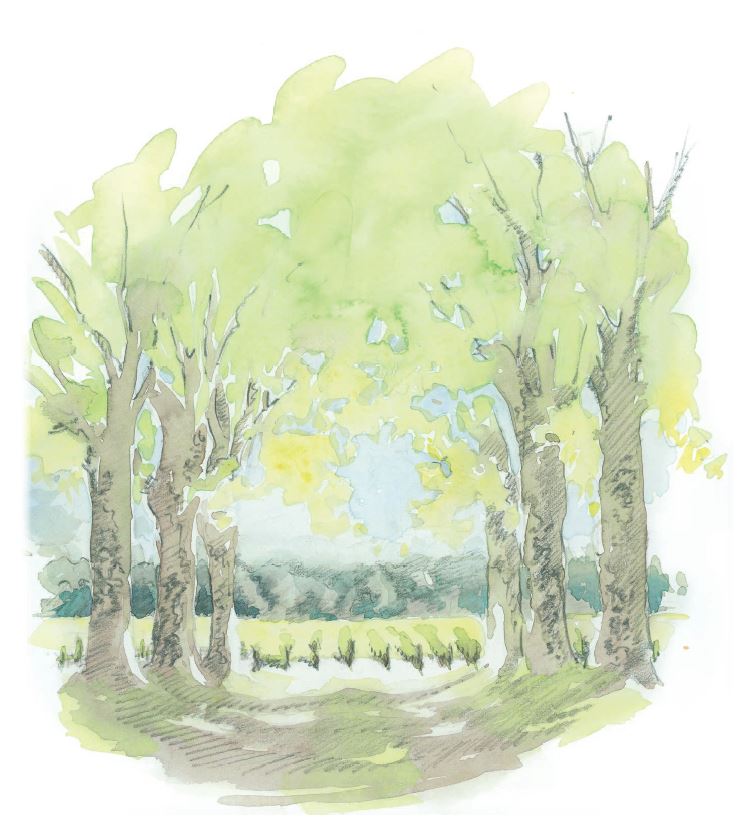
Château Brande-Bergère stretches north of Saint-Emilion on a siliceous-gravelly mound with a clay subsoil. It is one of the highest points in Gironde and offers views extending over 40 kilometers across the Dronne valley. Vine cultivation has been practiced here since the 18th century, and in the 19th century, the wine was known as "Nord Saint-Émilion".

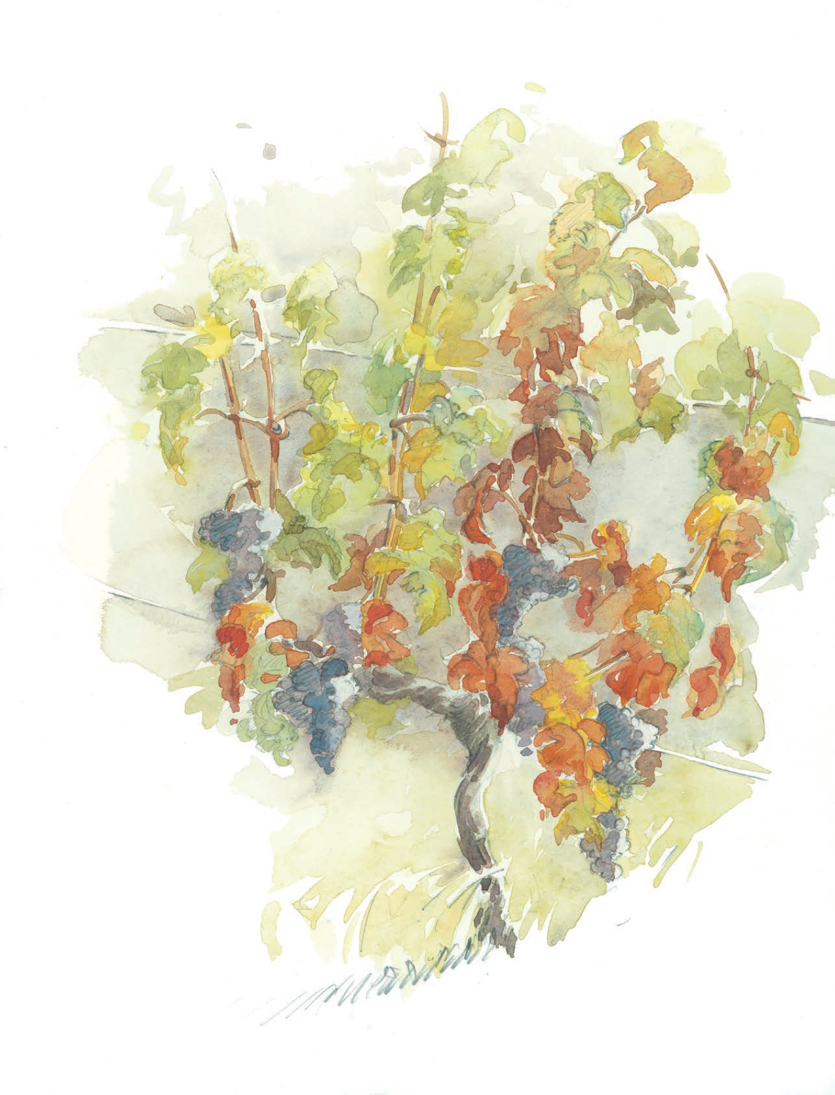
Les méthodes culturales les plus modernes sont mises en œuvre de façon entièrement manuelle dans la vigne: désherbage mécanique (pas d’herbicides), taille sévère et contrôlée, enherbement, épamprage, échardage , effeuillage, vendanges vertes , vendanges manuelles, agriculture raisonnée.
Réalisées sur un terroir d’exception, ces pratiques permettent de réaliser des vins colorés, mais élégants, robustes, aux arômes intenses et au bouquet ample et généreux. Cette richesse et cette puissance en font d’excellents vins de garde.
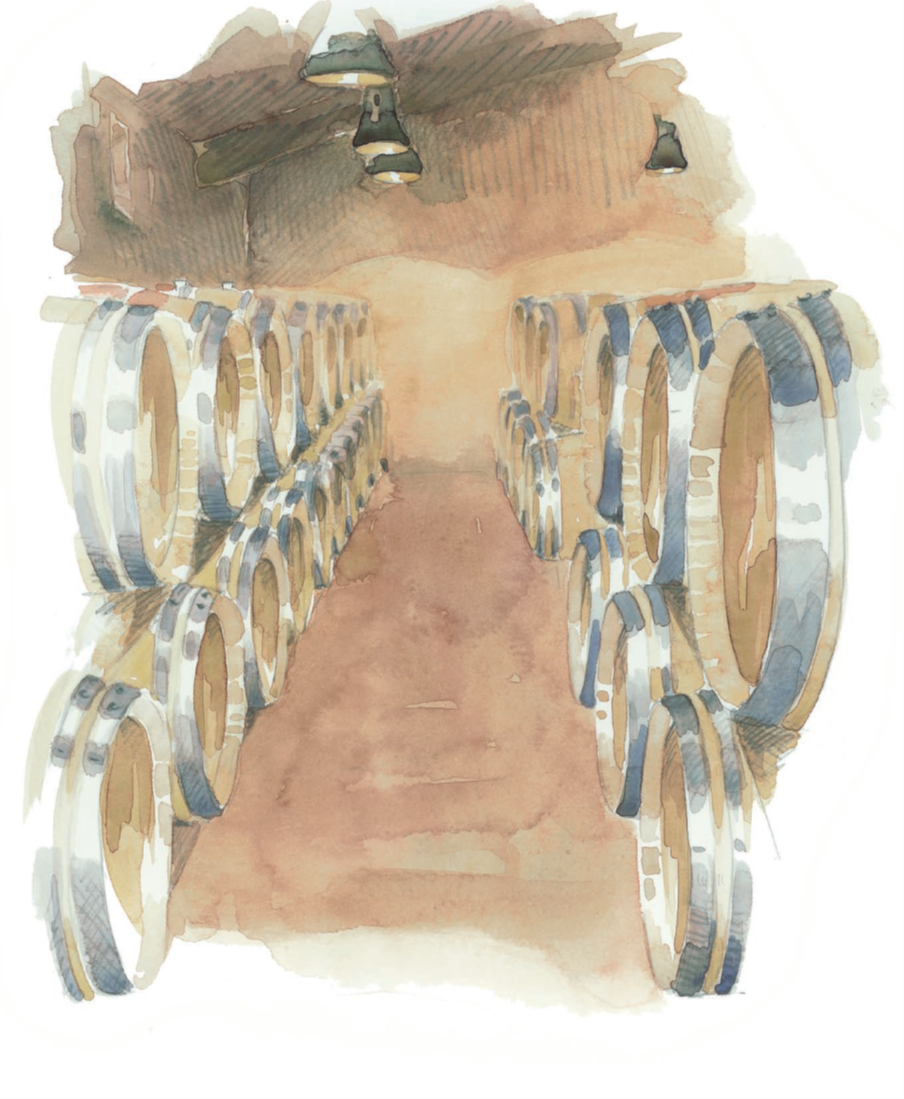
A charter of excellence has been established, and its application is rigorously controlled. The cellar, entirely restored, is at the forefront of modern techniques. The fermentation vats are made of concrete, as in several of the most prestigious cellars in Bordeaux, and are numerous and small enough to allow for plot-by-plot vinification.
The wines are aged for 18 months, including 12 months in French oak barrels for the Cuvée O'Byrne. We renew one in three barrels each year.

Historique
L’origine du domaine remonte au XVIIIème siècle, période à laquelle une famille noble d’origine irlandaise acquiert des terres sur la commune des Eglisottes pour y installer l’un des siens, Richard O’Byrne, vicaire de l’église Saint Pierre de l’Etoile dans ce village et curé de l’église de Chamadelle dans le canton voisin.

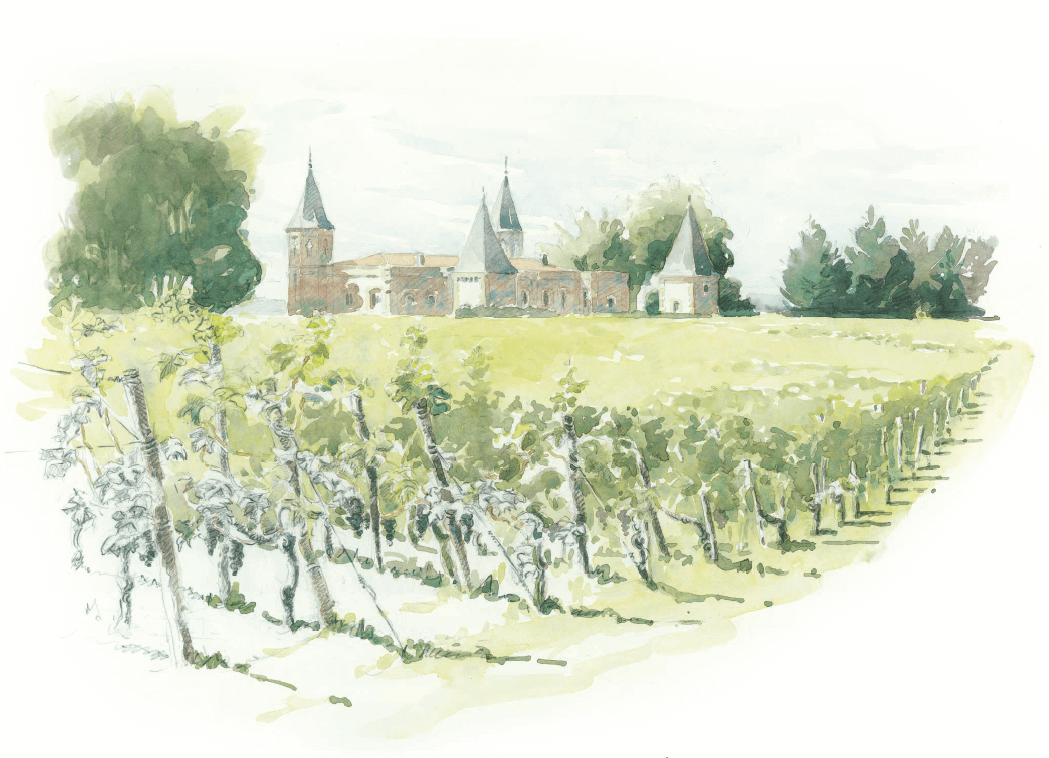
The estate changed hands until 1854, when a lawyer from Libourne, Jules Mialaret, who had married the heiress of Château Brande-Bergère, decided to dedicate himself fully to the property and cultivate a vineyard there. The planted area extended to nearly 50 hectares, and the wines, renowned for their finesse and elegance, were sold throughout Europe, particularly in England and Ireland.
At the same time, he transformed the modest original house by adding two towers connected by an "Italian-style" gallery, turning it into a true château.
Alas! From the 1870s, the phylloxera crisis hit the vineyard hard; Jules Mialaret, who had made heavy investments, was ruined and forced to leave the estate. He resumed activities more in line with his initial training and became a justice of the peace in Bordeaux.
It was only after the 1939-1945 World War that vine cultivation reappeared in Brande-Bergère; initially tentatively with 1 hectare planted, then 5 hectares by the early 90s.
Finally, the estate was acquired in 1997 by Edith and Denis Dalibot, who expanded the vineyard to 8 hectares.
In 1997, the buildings were on the verge of ruin; a vast renovation plan, lasting 10 years, was initiated.
Upon completion of the work in 2006, Brande-Bergère achieved a splendor perhaps never before attained.